Simple Signs Can Help You Catch Wiring Problems Before They Get Worse
You can detect wiring issues early through electrical troubleshooting by watching for small warning signs before they turn into bigger problems. Flickering lights, warm outlets, buzzing sounds, tripped breakers, and burning smells often point to hidden wiring trouble. A careful check of what happens, where it happens, and when it happens can help you spot patterns. In many homes and buildings, early action can reduce safety risks and help prevent damage to devices, outlets, and circuits.
Quick Answer
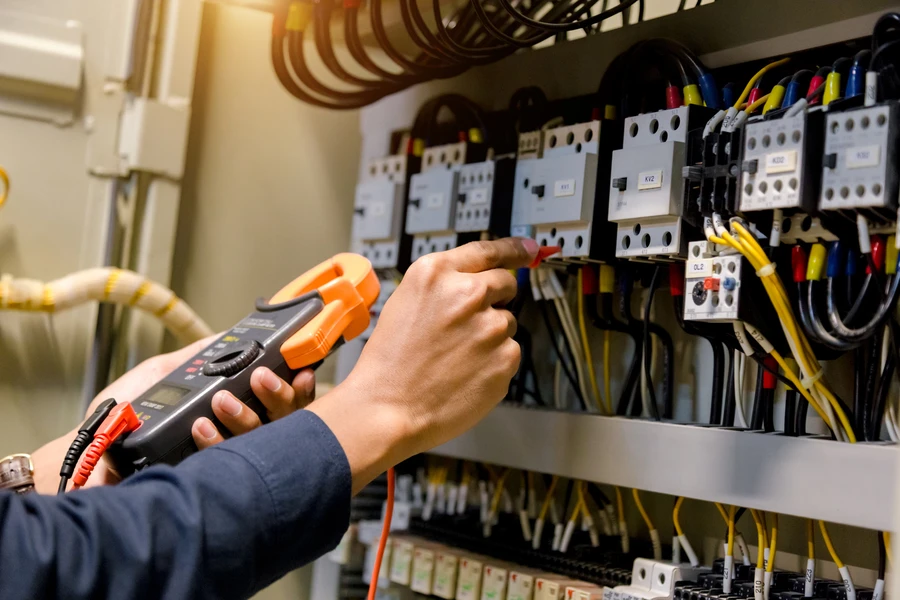
Early wiring trouble usually shows up as strange electrical behavior. Lights may dim when an appliance starts. A switch may feel hot. A breaker may trip again and again. You may also notice sparks, loose outlets, or a smell like burnt plastic. Electrical troubleshooting helps narrow down whether the issue is tied to one fixture, one room, or a larger circuit. While some signs are easy to notice, hidden wiring problems inside walls need trained testing.
What You Need Before Starting
Before checking anything, start with safety. Never touch bare wires or open a panel if you are not trained. Your goal is to observe and record signs, not take apart live electrical parts. This applies to homes, offices, and any service category setting where people rely on safe power every day.
- A flashlight
- A notebook or phone for notes
- Your breaker panel labels
- A basic understanding of which outlets and lights share a circuit
- Your senses for sound, smell, and heat from a safe distance
It also helps to know the age of the building. Older wiring may wear down over time. Past repairs, added appliances, or poor do-it-yourself work can also create weak points.
Step-by-Step Process
A simple process can help you spot patterns and find out how serious the issue may be.
- Watch for repeated problems. Note if lights flicker at the same time each day or when one appliance turns on.
- Check one room at a time. See if the issue affects one outlet, one fixture, or several parts of the space.
- Feel for heat carefully. Without touching metal parts, check if a switch plate or outlet cover feels warmer than normal.
- Listen for sounds. Buzzing, crackling, or humming from outlets, switches, or walls can signal loose connections.
- Smell the air near outlets and the breaker panel. A burnt odor may point to damaged wiring or overheating parts.
- Look at the breaker panel. See if one breaker trips often or will not stay reset.
- Test what changes the problem. Turn off or unplug one device at a time and see if the issue stops.
- Write everything down. A clear record makes electrical troubleshooting much easier for a technician.
For example, if the kitchen lights dim every time the microwave starts, that may point to an overloaded circuit. If one bedroom outlet works only sometimes, a loose wire connection may be the cause. The pattern matters.
Common Mistakes to Avoid
Many people miss early warning signs because they seem small at first. Others try unsafe fixes that make the problem worse.
- Ignoring a breaker that trips more than once
- Using power strips to make up for too few outlets
- Plugging high-power devices into old or loose outlets
- Covering a burning smell with air freshener instead of checking the source
- Replacing a breaker with a larger one without finding the real cause
- Opening walls or electrical boxes without training
One common mistake is assuming flickering lights always mean a bad bulb. Sometimes that is true, but if new bulbs also flicker, the issue may be deeper in the wiring or panel connection.
When to Call a Professional
Some signs call for expert help right away. If you smell burning, see sparks, hear crackling in the wall, or find black marks around an outlet, stop using that area if you can do so safely. If breakers trip often, outlets stop working for no clear reason, or lights dim in several rooms, it is time for professional electrical troubleshooting.
A trained electrician can test circuits, inspect connections, and find hidden faults that are not visible from the surface. This matters even more in older homes, remodeled spaces, and buildings with heavy electrical use. Safe testing tools can show whether the trouble comes from overloads, worn insulation, loose wires, or damaged parts in the panel.
Final Recommendation
If you notice early signs like flickering lights, warm switches, buzzing sounds, or breakers that keep tripping, do not wait for the problem to grow. Small wiring issues can spread from one outlet or fixture to a larger part of the system. In Mission Hills, CA, early checks can help reduce the chance of safety trouble and costly damage later. At Delight Electric |||| Delight Electrical Contractors, we can inspect the warning signs, track down the source, and explain the next steps in plain language. Call us at (818) 293-9707 if you want our help with electrical troubleshooting.