Safe Steps Can Help With Minor Damage, but Wiring Problems Need Careful Checks
Damaged switches and outlets can come from loose wires, worn parts, heat, or too much strain on the circuit. Some minor issues, like a cracked wall plate, are simple to spot. Other problems, like buzzing, sparks, or a dead outlet, may point to trouble behind the wall. The safest approach is to start with simple checks, turn off power, and know when a larger electrical repair is the better choice.
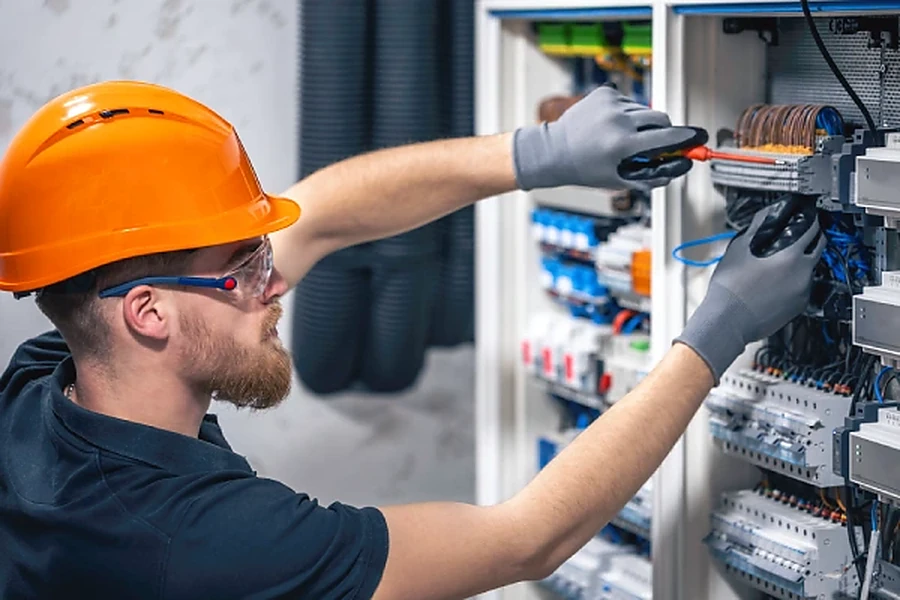
Quick Diagnosis Summary
Most damaged switches and receptacles show warning signs before they fail. You may notice a plug slipping out, a switch that feels loose, a burnt smell, or a faceplate that feels warm. These signs often mean the device is worn out or the wiring connection has become weak. A weak connection can create heat. Heat can damage the device and the wire over time. That is why even a small issue should not be ignored.
Common Symptoms
It helps to know what damage looks like in real life. Some signs are easy to see. Others happen only now and then. A switch or receptacle may still work part of the time, which can make the issue harder to judge.
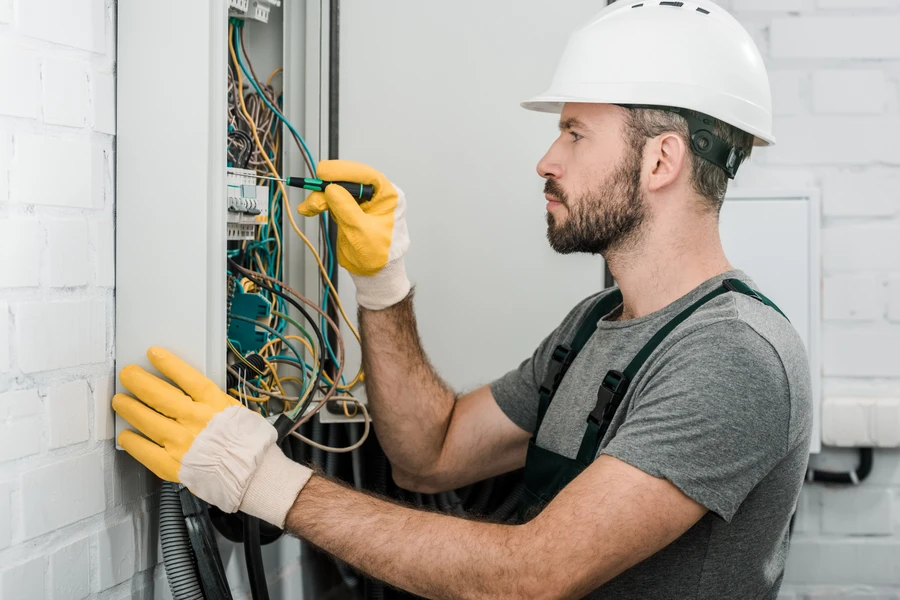
- Lights flicker when a switch is used
- An outlet works only if the plug is held a certain way
- The switch makes a popping or buzzing sound
- The cover plate is cracked or discolored
- A plug or charger feels hot after short use
- The breaker trips after using the same outlet
- There is a burnt smell near the device
If you see more than one of these signs, the problem may go beyond the device itself. In some cases, the wiring in the box or a larger circuit issue is part of the problem.
Likely Causes
Switches and receptacles wear out with age. Each time they are used, the metal parts inside move a little. Over many years, those parts can loosen or weaken. Older homes may also have outlets that were not made for today’s heavy use. Space heaters, large TVs, gaming systems, and kitchen appliances all put more demand on a circuit.
Loose wiring is another common cause. When wires are not held tight, electricity does not flow as cleanly as it should. That poor contact creates heat. Heat leads to melting, charring, and failure. Dirt, moisture, and impact damage can also play a part. A switch near an entry door may get hit often. A receptacle in a garage may collect dust. In some homes, poor past work is the root cause, especially if electrical repair was done with the wrong device type or weak connections.
The service category keyword can fit many of these needs because outlet and switch work often connects to broader home system care. Even a simple device replacement should match the circuit and the box conditions.
What to Check First
Before touching a switch or receptacle, turn off the correct breaker. Then test the device to make sure power is off. If you are not fully sure the power is dead, stop there. Safety comes first.
- Check the breaker panel for a tripped breaker.
- Test nearby outlets and lights to see what else is affected.
- Look for visible cracks, burn marks, or melted plastic.
- Smell near the device for any burnt odor.
- Gently check if the switch or receptacle feels loose in the wall.
- Note if the problem happens all the time or only with one appliance.
These first checks can narrow down the problem. If the device is only cosmetically damaged, the fix may be simple. If it is warm, noisy, or burnt, a trained electrician should inspect it before power is restored.
Safe Fixes Vs Pro-Level Fixes
Some fixes are low risk. Others should be left to a licensed pro. A cracked faceplate with no heat damage is a common example of a simple repair. Replacing a worn outlet or switch may also be routine if the wiring is in good shape and the person doing the work knows safe shutoff and testing steps.
Pro-level work includes any sign of burnt wiring, repeated breaker trips, aluminum wiring concerns, loose boxes, or damage that spreads to multiple devices. If the outlet is dead and there is no clear breaker issue, the problem may be upstream in the circuit. That takes more testing. If a bathroom, kitchen, garage, or outdoor receptacle is involved, code rules may also affect the repair choice. A complete electrical repair may include replacing the device, trimming back damaged wire, tightening connections, and checking the rest of the circuit for hidden trouble.
Prevention Tips
Many damaged switches and receptacles can be prevented with a few simple habits. Small changes help reduce wear and heat buildup.
- Do not force plugs into loose outlets
- Replace worn devices before they fail
- Avoid overloading one outlet with many high-draw items
- Use the right outlet type for damp or outdoor areas
- Pay attention to warm plates, odd sounds, or flickering lights
- Have older wiring checked if devices fail often
Prevention matters most in busy parts of the home. Kitchens, bathrooms, kids’ rooms, garages, and work areas see more daily use. These spots should be checked if plugs slip out or switches feel rough. Fast action can help stop a small defect from turning into a bigger wall or circuit problem.
When to Call a Professional
You should call for help if there is any sign of heat, smoke, sparking, burning, or repeat failure. You should also get help if a new outlet or switch still does not work after replacement, or if the breaker keeps tripping. These signs mean the issue may not be limited to one device. A trained electrician can test the circuit, find the real cause, and complete the right electrical repair without guesswork.
Get Help With the Next Step
If damaged switches or receptacles are causing trouble in Mission Hills, CA, we can help inspect the issue and explain the safest fix. Contact Delight Electric |||| Delight Electrical Contractors to schedule service or ask questions about your home’s wiring. Call us at (818) 293-9707 and let our team help you move forward with safe, reliable repairs.