What Happens During the Process and How to Get Ready
An electrical inspection is a step-by-step check of a home’s wiring, panels, outlets, switches, and safety parts. The goal is to find damage, code issues, wear, or unsafe connections before they lead to shocks, fire risks, or power trouble. If you are planning repairs, buying a home, or dealing with odd power problems in Mission Hills, CA, it helps to know what the visit usually includes and what an inspector may point out.
What You Need Before Starting
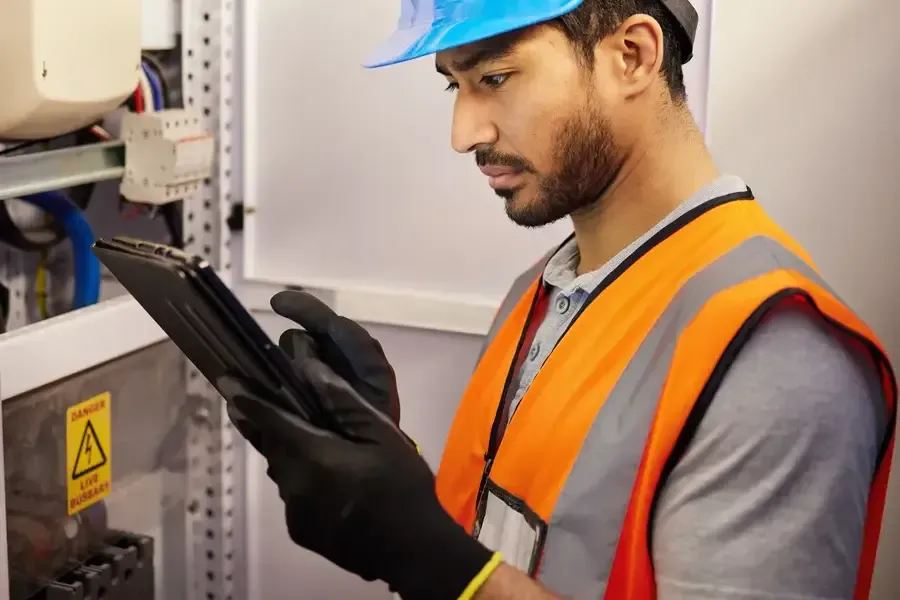
Before an electrical inspection begins, a little prep can save time. The inspector will need safe access to the main panel, outlets, light switches, attic spaces, crawl spaces, and any area with visible wiring. If pets are in the home, keep them in a separate room. It also helps to gather any past permit paperwork, repair notes, or upgrade records. Even if this is part of a larger service category, the same basic prep matters because clear access helps the visit move faster and more smoothly.
You can also make a short list of things you have noticed, like flickering lights, warm outlets, tripped breakers, or dead switches. Small details often help point to bigger wiring issues.
Step-by-Step Process
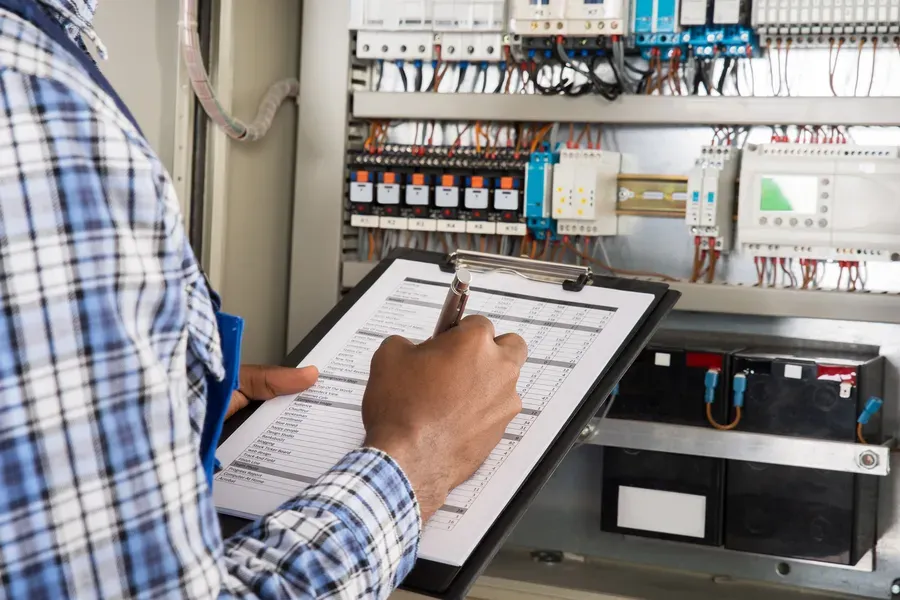
Most electrical inspection visits follow a simple order. The exact steps can vary by property type and the reason for the visit, but the main process is often the same.
- Review the reason for the visit. The inspector may ask if this is for a home sale, remodel, safety check, or a problem in one part of the house.
- Check the main service panel. This includes breakers, labeling, grounding, signs of overheating, rust, double-tapped breakers, and panel condition.
- Test outlets and switches. The inspector may check polarity, grounding, GFCI function, and whether outlets are damaged or loose.
- Look at visible wiring. This can include the attic, basement, garage, or crawl space for frayed wires, open splices, or poor support.
- Inspect lights and fixtures. Burn marks, loose mounting, wrong bulbs, or broken covers may be noted.
- Check safety items. Smoke alarms, carbon monoxide alarms, arc fault protection, and GFCI protection may be reviewed where needed.
- Look at major appliance connections. Water heaters, HVAC units, dryers, and ranges may be checked for safe wiring and proper shutoff access.
- Write up findings. At the end, the inspector usually shares a report or summary with any repairs, concerns, or code issues found.
Some visits are quick. Others take longer if the home is older or has many past repairs. A house with added rooms, old aluminum wiring, or a messy panel often needs more time.
Common Mistakes to Avoid
Many people think an electrical inspection is only about obvious damage. That is not always true. A system can look fine on the surface and still have hidden safety problems. Another common mistake is covering the panel with shelves, boxes, or stored items. If the inspector cannot reach the panel safely, the visit may be delayed or limited.
Some owners also try to fix wiring problems right before the appointment without the right training. That can make things worse. Loose wire nuts, wrong breaker sizes, and mixed wire types are easy to miss. It is also a mistake to ignore small signs like buzzing sounds or a breaker that trips once in a while. These issues may seem minor, but they can point to overloads or bad connections.
- Do not block the electrical panel.
- Do not hide known issues.
- Do not assume a reset breaker solved the problem.
- Do not use extension cords as a long-term fix.
- Do not leave exposed wires uncovered.
When to Call a Professional
Some parts of home care are simple, but electrical work has real safety risks. If you notice burning smells, warm switches, sparks, dimming lights when appliances start, or repeated breaker trips, it is time to call a trained professional. The same goes for older homes with two-prong outlets, missing GFCI protection near water, or a panel that has not been checked in many years.
A professional is also the right choice before buying a home, starting a remodel, adding heavy appliances, or updating an old panel. These are times when loads change, wiring may need upgrades, and local code rules may apply. An electrical inspection can help you catch trouble early and plan repairs in the right order.
Final Recommendation
If you want clear answers about the safety and condition of your system in Mission Hills, CA, reach out for help before small issues grow into bigger ones. At Delight Electric |||| Delight Electrical Contractors, we can check the warning signs, explain the next steps in simple terms, and help you schedule the right service for your home. Call us at (818) 293-9707 to talk with our team and set up a visit.